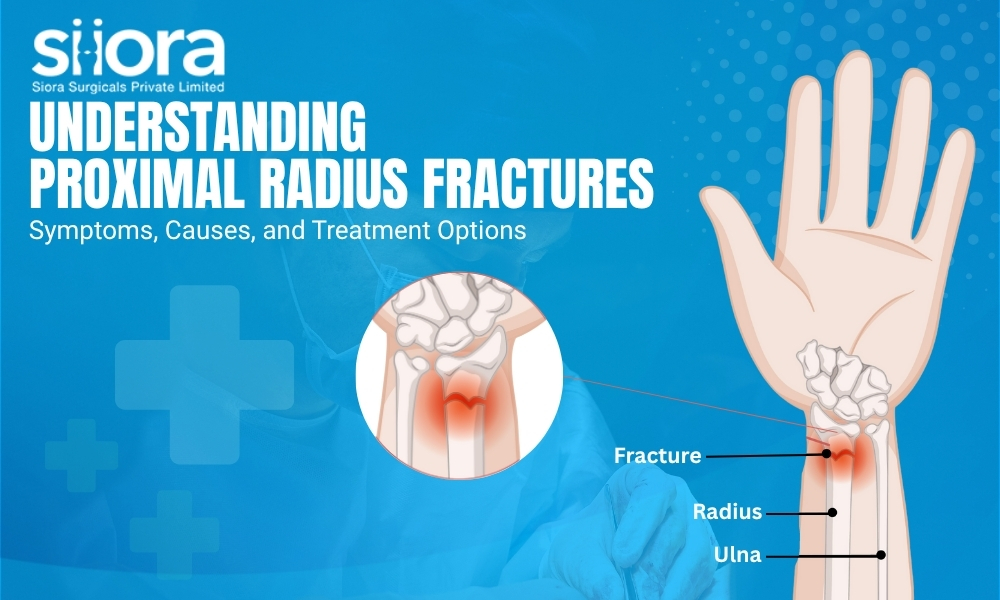
Fractures around the elbow are more common than many people realize, especially among athletes, older adults, and those who fall onto an outstretched arm. One of the most frequently affected bones in such injuries is the proximal radius, the upper end of the radius bone near the elbow joint. Understanding this radius proximal fracture can help you recognize early symptoms, seek prompt treatment, and recover effectively.
What Is a Proximal Radius Fracture?
The radius is one of the two bones in the forearm. Its proximal (or upper) end connects to the elbow, playing a key role in forearm rotation and elbow movement. A proximal radius fracture, also commonly referred to as a radial head or neck fracture, usually occurs near this joint and can significantly affect arm function.
These fractures are often the result of a fall, particularly when someone lands on an outstretched hand with the arm extended. The impact travels up the forearm and puts pressure on the radial head, which may crack or break under the stress.
What Are the Common Symptoms of Proximal Radius Fracture?
If you or someone you know has recently fallen or suffered a blow to the elbow, watch for the following signs of a proximal radius fracture:
- Pain and tenderness around the outer elbow
- Swelling and bruising, especially on the lateral side of the joint
- Limited ability to bend or rotate the forearm
- Clicking or grinding when trying to move the arm
- Inability to carry objects or bear weight on the affected arm
These symptoms can sometimes mimic a sprain, but if the pain persists or movement is severely restricted, it’s important to seek medical attention. X-rays or CT scans are typically used to confirm the diagnosis and assess the extent of the injury.
What Causes a Proximal Radius Fracture?
Most proximal radius fractures are caused by:
- Falls onto an outstretched hand is the most common cause, especially among older adults or during sports.
- Direct trauma to the elbow, such as in contact sports or vehicle accidents.
- Repetitive stress or overuse in athletes (though rare, small stress fractures can occur over time).
Some individuals are at greater risk due to decreased bone density (osteoporosis), poor coordination, or involvement in high-risk activities like skateboarding, snowboarding, or gymnastics.
Treatment Options: From Conservative to Surgical
The type of treatment required depends on the severity and type of fracture. Doctors classify these injuries into three basic types:
- Type I: Non-displaced or minimally displaced fractures
- Type II: Partial displacement with possible mechanical block to movement
- Type III: Comminuted (shattered) fractures with significant displacement
For Type I fractures, conservative treatment is usually sufficient. This may include:
- Short-term immobilization with a sling or splint
- Cold compresses to reduce swelling
- Pain relief with anti-inflammatory medications
- Gentle physical therapy to regain range of motion
Type II and III fractures may require more advanced care. In some cases, orthopedic surgeons will perform a procedure to realign or remove fragments of the radial head. If the bone is too damaged, a radial head replacement may be considered. Surgery is often followed by physical therapy to rebuild strength and mobility.
Recovery and Outlook
Most patients with proximal radius fractures recover well with appropriate treatment. Full recovery may take a few weeks to several months, depending on the severity of the injury and how well the rehabilitation plan is followed. Early movement, guided by a physiotherapist, is key to avoiding stiffness and regaining full function.
Final Thoughts
A proximal radius fracture can be a painful and limiting injury, but with timely diagnosis and the right care, recovery is very achievable. If you’ve taken a fall or experienced elbow trauma, don’t ignore persistent discomfort; getting it checked early can make all the difference in your healing journey.Experience the advancements in the healthcare industry, including the orthopedic sector, by registering at the Medical Fair Thailand.
 Siora Surgicals. Pvt. Ltd.